

One morning last week we were getting everyone ready for school and work, and experiencing the usual craziness that comes with getting 4 people out the door on time. Roman was playing with our dog Nikki in the living room while Mark, Chase, and I were in the kitchen chatting, assembling lunches and eating breakfast. All of a sudden Nikki came limping into the kitchen (she has issues with her right back knee locking up sometimes when she pushes off of it while playing or jumping down from furniture).
Me: Oh no, Nikki is limping. Poor thing.
Mark: Her knee is probably locked again. (He starts gently pushing on it to get it to release)
Chase: Hey, she gets cramping in her legs just like me! Poor Nikki!
Me: Yeah, I guess she does.
Chase: Ooohhh, Nikki gets cramps like me.
It was kind of a bittersweet moment, hearing Chase be so knowledgeable and accepting of his condition. He seemed very sad for Nikki that she was in pain, but on the other hand, he was maybe a little comforted by the idea that he wasn’t alone. I was amazed by his maturity, acceptance, and compassion, but also sad that he has to even acknowledge and accept having pain as a part of his life.
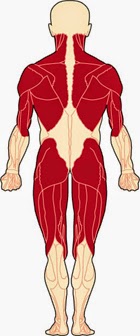
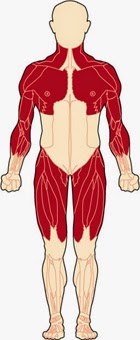
Those of you who have been following my blog the last few months know that both of my sweet boys were diagnosed with Becker’s Muscular Dystrophy this spring. With this week being BMD Awareness week, I hope to post a little more about the condition because education and awareness for any disease is just one small step in the uphill battle to find a treatment or cure, and unfortunately neither of these are available at this time.
From MDA.com: “Becker’s Muscular Dystrophy (BMD) is one of nine types of muscular dystrophy, a group of genetic, degenerative diseases primarily affecting voluntary muscles. It is named after German doctor Peter Emil Becker, who first described this variant of Duchenne muscular dystrophy (DMD) in the 1950s. BMD is similar to DMD but allows the voluntary muscles to function better than they do in DMD. The heart muscle, however, can be affected similarly to the way it is in DMD.”
 Team Strathman